

The DPRK’s Chemical Facilities: 8th February Vinalon Complex: Site Profile 8
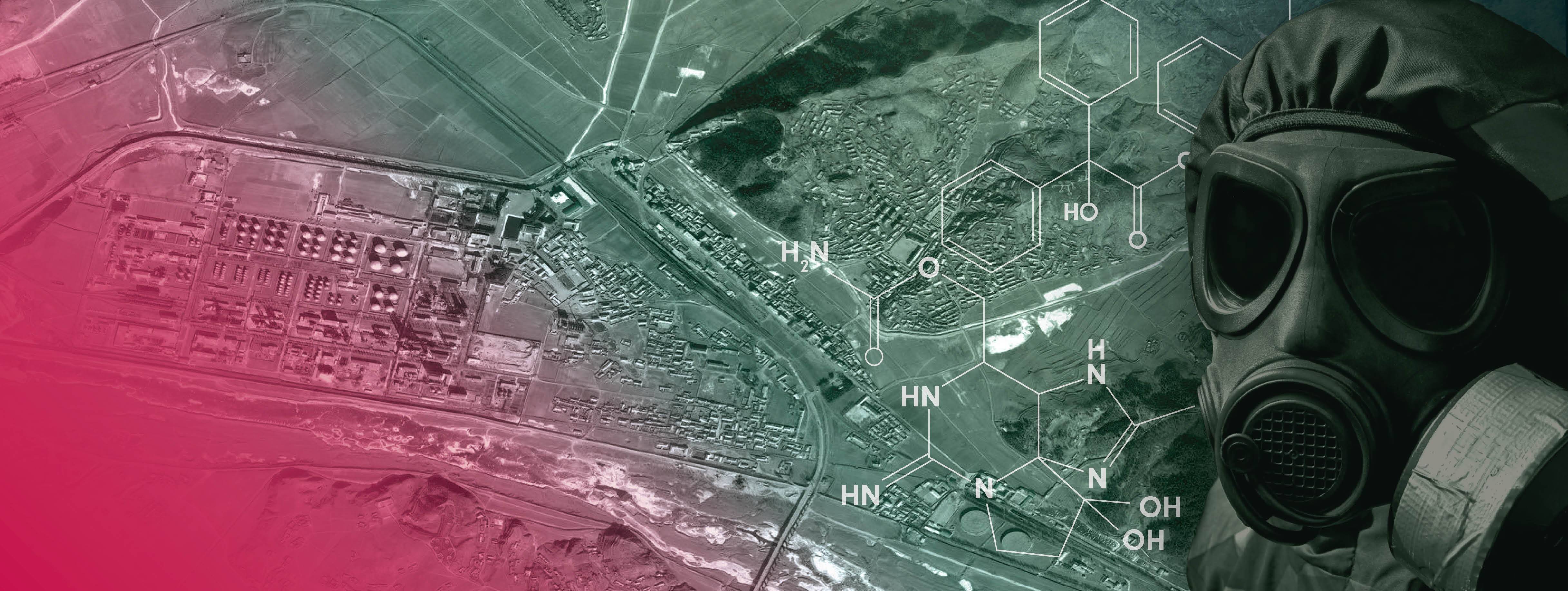
This report on the 8th February Vinalon Complex, co-published by RUSI, VERTIC and 38 North, is the eighth and final Project Anthracite site profile exploring different chemical production facilities throughout North Korea.
Available download
Executive Summary
The unique and diverse nature of the 8th February Vinalon Complex and the relative scarcity of collateral information makes this a challenging site to analyse using available commercial satellite imagery. However, several processes and production facilities have been identified to a high level of confidence. Chemicals assessed to be produced at the complex, in some cases supported by collateral information, include calcium carbide, vinyl chloride, acetylene, acetic acid and chlorine. Pesticides are also likely to be produced here.
This report assesses that while the chemical processes and products of the 8th February Vinalon Complex have a legitimate use within the chemical industry, the availability of large amounts of chlorine and acetylene on site, as well as ammonia and phosphorus from the nearby Hungnam Fertiliser Complex, lends the complex a distinctly dual-use character as compared to other sites analysed during Project Anthracite. It is possible that the raw materials, intermediates and equipment at the complex could support sulfur mustard (HD), phosgene and chlorine gas production. Combined with chemicals from the Hungnam Fertiliser Complex, the two complexes could support the synthesis of nerve agents, nitrogen mustards and blood agents.
While there are also several unidentified facilities and processes present, some within separately secured and possibly sensitive compounds, none have been positively identified as being directly connected to chemical warfare agent (CWA) production on electro-optical imagery. This is not unexpected since, once all of the precursors and raw materials are available, much of the relevant processes can be conducted without visible signature equipment. Products from the Hungnam Pharmaceutical Factory have not been identified, however equipment available at the factory has dual-use potential for synthesis of CWAs.
Image credit: Google Earth (Airbus), 2026
WRITTEN BY
Hailey Wingo
RUSI Associate Fellow, Proliferation and Nuclear Policy


Air Vice-Marshal Sean Corbett CB MBE
Guest Contributor

Lennie Phillips OBE
Former Senior Research Fellow, Chemical Weapons

Professor David Crouch
RUSI Senior Associate Fellow, Proliferation and Nuclear Policy

Alberto Muti
Guest Contributor