

Nuclear Weapons in Protracted Great Power Conflict

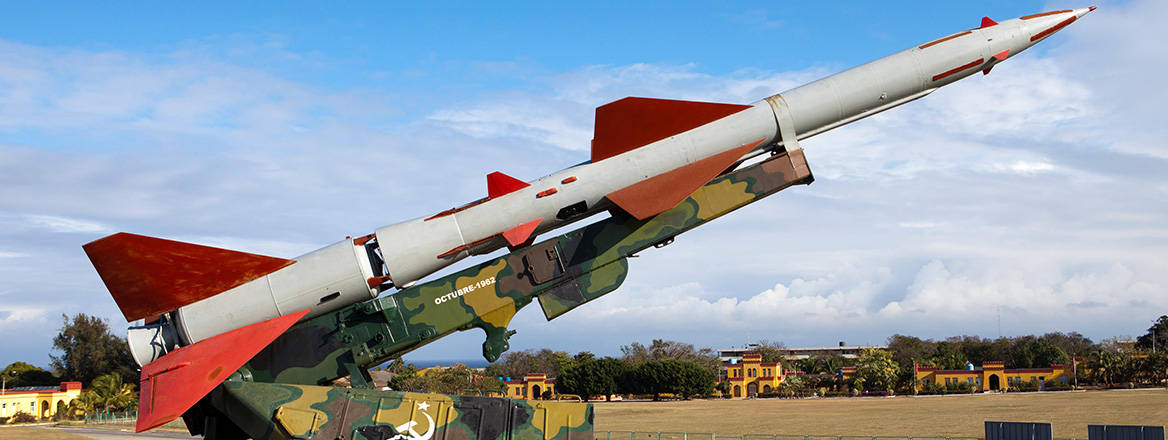
The authors discuss how early-stage warfighting decisions favour refusing nuclear weapons due to several psychologically protective factors.
An understudied aspect of nuclear weapon use involves the decision locus, which describes the point during a conflict when decisions are made. Adam T Biggs and Michael A Bonura discuss how early-stage warfighting decisions favour refusing nuclear weapons due to several psychologically protective factors. By late-stage warfighting, ethical erosion has altered these biases to view nuclear weapons more favorably. Furthermore, they argue that whereas early-stage decisions often posit strikes large enough to warrant mutually assured destruction, late-stage decisions can better adapt to the possibility of limited nuclear weapon strikes. In this context, the practical argument is that great power wars are more likely to end with nuclear weapons than begin with them.
WRITTEN BY
Adam T Biggs
Michael Bonura
- Jim McLeanMedia Relations Manager+44 (0)7917 373 069JimMc@rusi.org