Drivers of Conflict, Radicalisation and Instability
We explore how interconnected structural, political, social, economic and environmental factors shape and drive conflict dynamics, radicalisation and instability.


Programme Introduction
We examine how conflicts emerge, evolve and spread, taking a comparative approach to understanding the complex factors that drive violence, radicalisation and instability. Our research explores the links between political, social, economic and environmental pressures, including climate change, food insecurity, migration and changing patterns of international aid.
We also investigate the role of non-state armed groups in shaping conflict and governing communities, alongside the interventions designed to prevent and address radicalisation and instability. These range from diplomatic and development initiatives to security sector reform and assistance. Working across different regions and conflict settings, we aim to build a deeper understanding of the causes of instability and identify approaches to conflict prevention, mitigation and resolution.
Programme Themes
Gender and Identity
Gender, race, age, disability and other aspects of identity shape how people experience conflict, access support and participate in peacebuilding. We examine how these intersecting factors influence conflict dynamics and outcomes, and why they matter when developing more inclusive approaches to conflict prevention and resolution.
Climate, Environment and Conflict
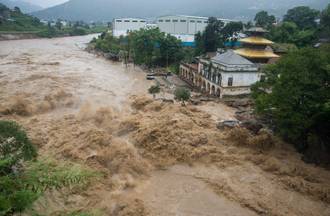
We investigate the links between climate change, conflict and instability, including how environmental pressures can interact with political, social and economic factors to drive insecurity. Our research explores the complex relationship between climate change, migration, resource scarcity, radicalisation and violence, helping to build a better understanding of how environmental change can contribute to conflict.
Crime-Terror Nexus
We examine the connections between organised crime, terrorism and wider patterns of insecurity, exploring how criminal networks and violent extremist groups interact and influence conflict environments. Our research also looks beyond non-state actors to consider how corruption, criminal activity and state-sponsored violence can fuel instability. This broader perspective helps identify the underlying drivers of insecurity and inform more effective responses.
Privatisation of Security
We explore the growing role of private companies and other non-state actors in providing security, particularly in fragile and conflict-affected environments. This includes the use of private military and security companies, militia groups and other private forces, and their relationships with state authorities.
Our research examines how these actors emerge, operate and are regulated, particularly where state institutions are weak or contested. We consider the implications for security, accountability and state authority, as well as the challenges of overseeing non-state armed actors in situations of civil war and insurgency.
Non-State Governance
We investigate how non-state armed groups exercise control and influence over communities, including how violent extremist organisations establish territorial control and develop systems of governance. Our research examines how these arrangements affect local populations, shape conflict dynamics and influence wider patterns of instability.







Publications
View the latest outputs from this research programme.
Loading results...