

Episode 6: The Shops That Don’t Add Up
Why some of Britain’s strangest-looking businesses survive – and what they reveal about tax evasion, money laundering and weak enforcement.
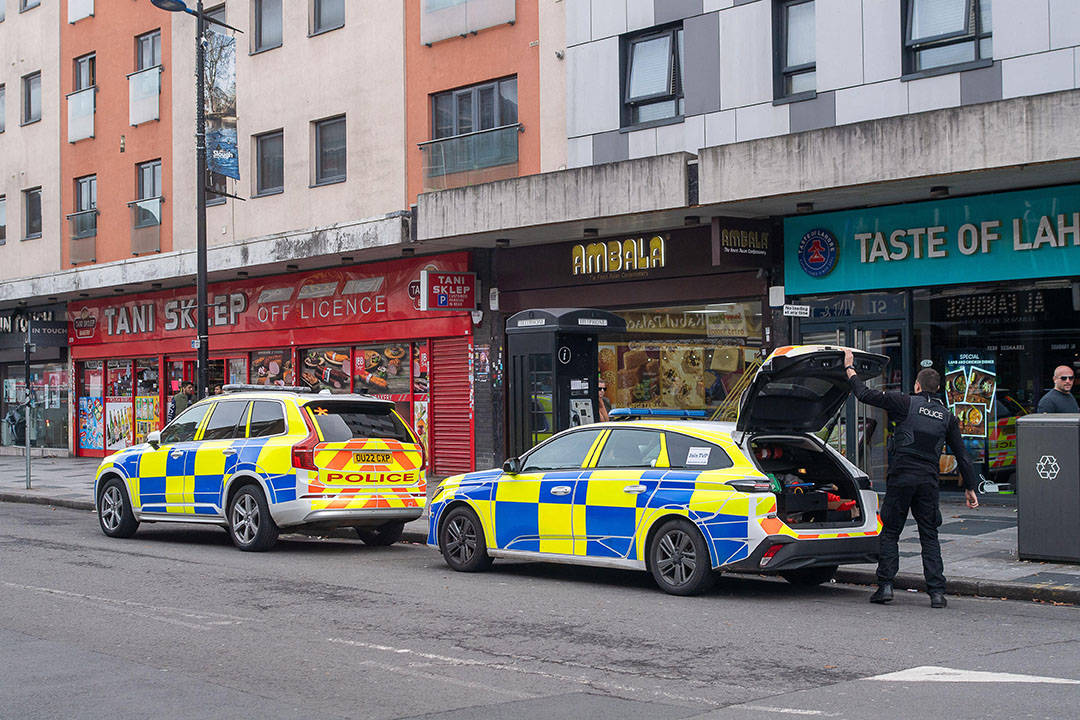
American sweet shops, vape stores, barbers and souvenir shops occupy some surprisingly expensive pieces of Britain’s high streets. The obvious question is: how do they add up?
The popular answer is often ‘money laundering’. But while this undoubtedly forms part of the picture, the reality is often more complicated.
In this episode of the Suspicious Transaction Report, host Tom Keatinge is joined by Jim Waterson of London Centric and Georgia Jones of RUSI’s Centre for Finance & Security.
They explore how cash-intensive businesses can be used to introduce criminal proceeds into the legitimate economy, but also why tax evasion may explain some of the suspicious shops which have cropped up on British high streets. The discussion examines patsy directors, repeatedly abandoned companies, landlord incentives, Companies House, HMRC and the limits of enforcement.
And it asks a wider question: what happens to public confidence when legitimate businesses and taxpayers see others apparently ignoring the rules and carrying on regardless?
FEATURING
Tom Keatinge
Director, CFS
Centre for Finance and Security


Georgia Jones
Research Analyst
Centre for Finance and Security
