

Fighter Collaboration and the Politics of Pragmatism

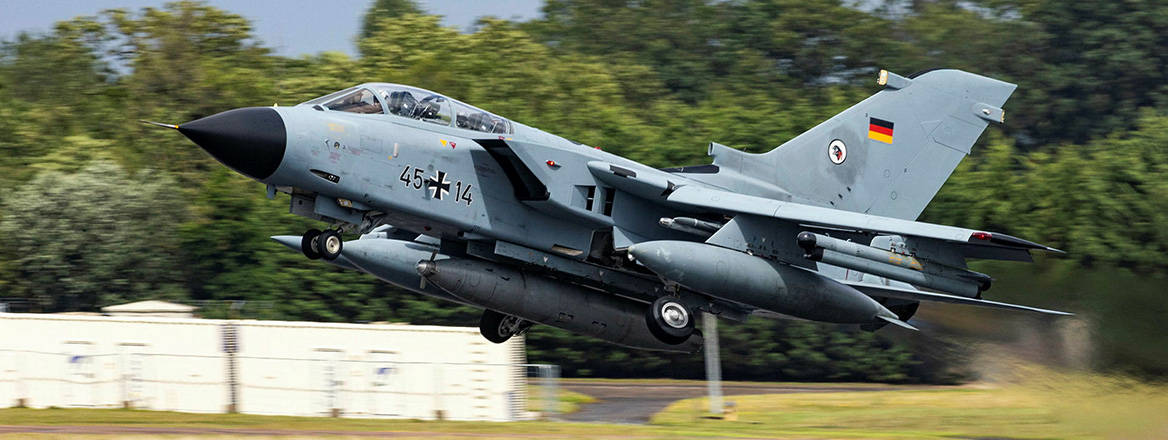
A Research Article in which the author compares the MRCA/Panavia Tornado project with the development of GCAP and 21st century sixth generation aircraft development.
The sixth-generation fighter component of the Future Combat Air System has collapsed, while the Global Combat Air Programme has solidified. Samuel Hollins uses the Panavia Tornado as a historical case study to examine why some combat aircraft collaborations fail to launch, while others succeed. Records demonstrate that pragmatic restraint in negotiations and the considered acceptance of trade-offs are required to reconcile clashing domestic priorities. This article offers insights into effective collaborative practice and raises questions about the trajectory of European defence integration.
WRITTEN BY
Samuel Hollins
- Jim McLeanMedia Relations Manager+44 (0)7917 373 069JimMc@rusi.org