

Mobilisation and Training for War: Preparing to Break Glass

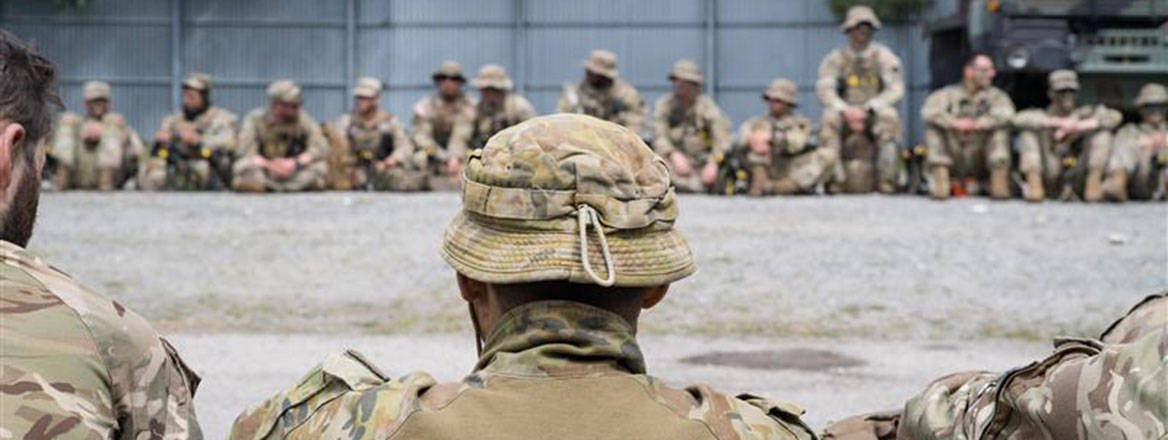
The UK must overhaul mobilisation and training to meet rising security threats, ensuring rapid force expansion, effective integration and Alliance resilience.
Overview
This paper examines the critical need for the UK to prepare its armed forces for rapid mobilisation and training in response to escalating security threats in Europe. It highlights the challenges of increasing the number of people, equipping them and expanding the capacity and effectiveness of the training systems while offering actionable recommendations to enhance readiness and ensure effective force expansion.
Key Recommendations
- Governments need training to make the decision to mobilise, balancing the impact on the economy with the time to force generate.
- The armed forces need to:
- Develop detailed mobilisation plans, defining roles for Volunteer and Strategic Reserves.
- Increase training capacity through distributed centres and civilian infrastructure.
- Accelerate training pipelines by using civilian skills and individualised learning approaches.
- Focus training on building unit cohesion and collective competence through live exercises.
- Integrate synthetic training technologies to enhance efficiency and preparation.
- Establish a high-readiness instructor cadre within reserves to support force expansion.
- Reform training delivery to balance risk, improve standards and ensure scalability.
This paper provides a comprehensive framework for policymakers and defence leaders to address the UK’s preparedness for protracted conflict and its NATO commitments.


Register or log in to continue reading
Account creation is quick, free and gives access to all RUSI research and more
- FREE account
- One-time set-up
- Easy to manage
Available Downloads
WRITTEN BY
Nick Reynolds
Research Fellow, Land Warfare
Military Sciences


Paul O’Neill CBE
RUSI Senior Associate Fellow, Military Sciences


- Jim McLeanMedia Relations Manager+44 (0)7917 373 069JimMc@rusi.org